長野県へ自家用車で向かい、諏訪大社四社めぐりと萃 sui-諏訪湖での宿泊を楽しんできました。上社前宮・上社本宮・下社春宮・下社秋宮の四社を巡り、上社は男神、下社は女神を祀るという対の関係に思いを馳せながら参拝しました。諏訪大社は古くから“強力なパワースポット”として知られ、四社をすべて巡ることで心身の浄化や運気の巡りが良くなるといわれています。実際に四社を歩いて回ると、場所ごとに空気の違いを感じ、自然と気持ちが整っていくようでした。
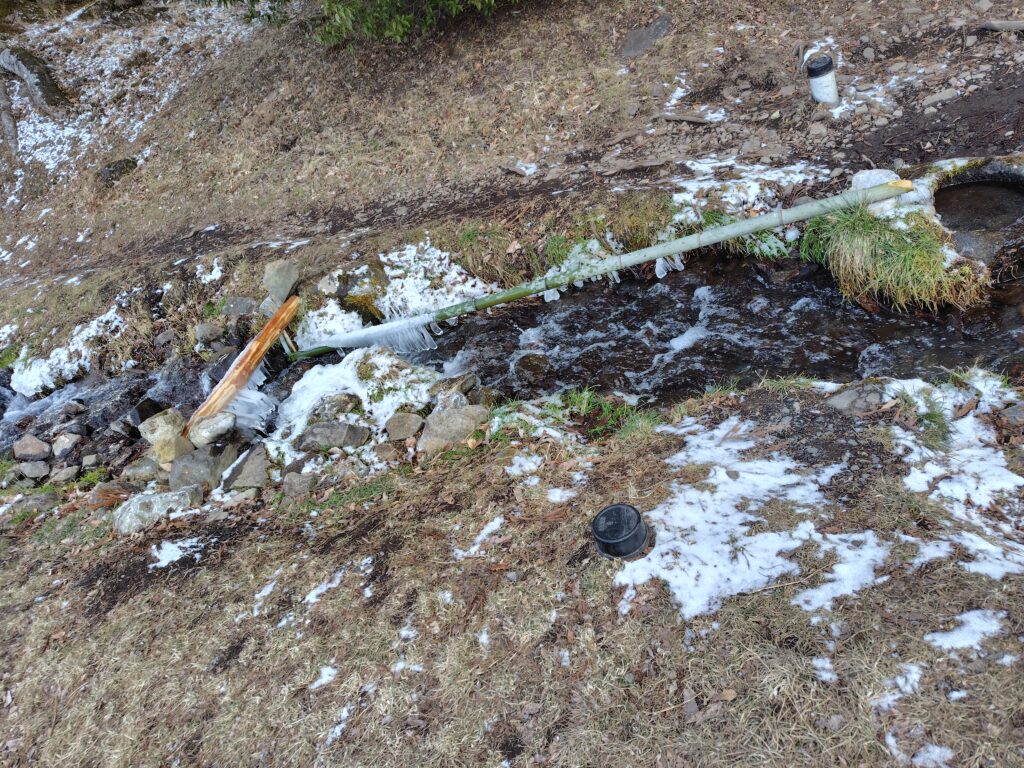
初日は上社前宮と上社本宮へ。前宮では脇を流れる水が一部凍っており、冬ならではの静けさを感じました。2日目は下社春宮と下社秋宮へ。春宮では万治の石仏にて、正面で一礼し「よろずおさまりますように」と心で念じ、願い事を唱えながら時計回りに三周し、最後に「よろずおさめました」と唱えて一礼するという作法にならって参拝しました。秋宮では四社めぐり達成の記念にステッカーをいただき、旅の思い出がひとつ増えました。
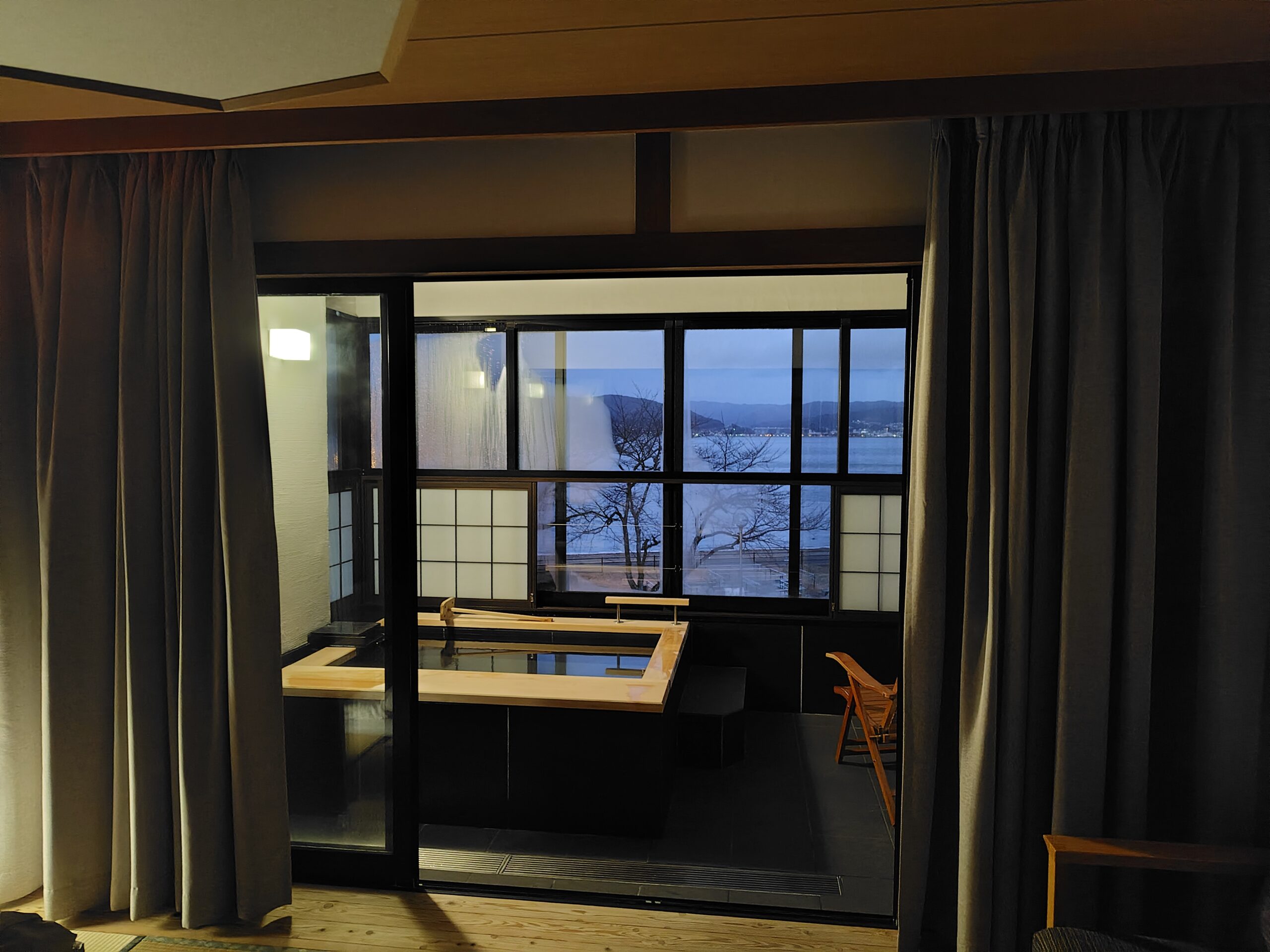
宿泊は萃 sui-諏訪湖。露天風呂付客室「301 岩梅」に泊まり、部屋からは諏訪湖が一望できて気分が高まります。客室露天風呂は源泉掛け流しで約60度とのことですが、水を足すとすぐに適温になり、浴室内の暖房も効いていて冬でも快適でした。6階には湯浴み着で入る展望露天風呂(混浴)があり、私たちは入浴はしなかったものの、眺めはまさに絶景でした。
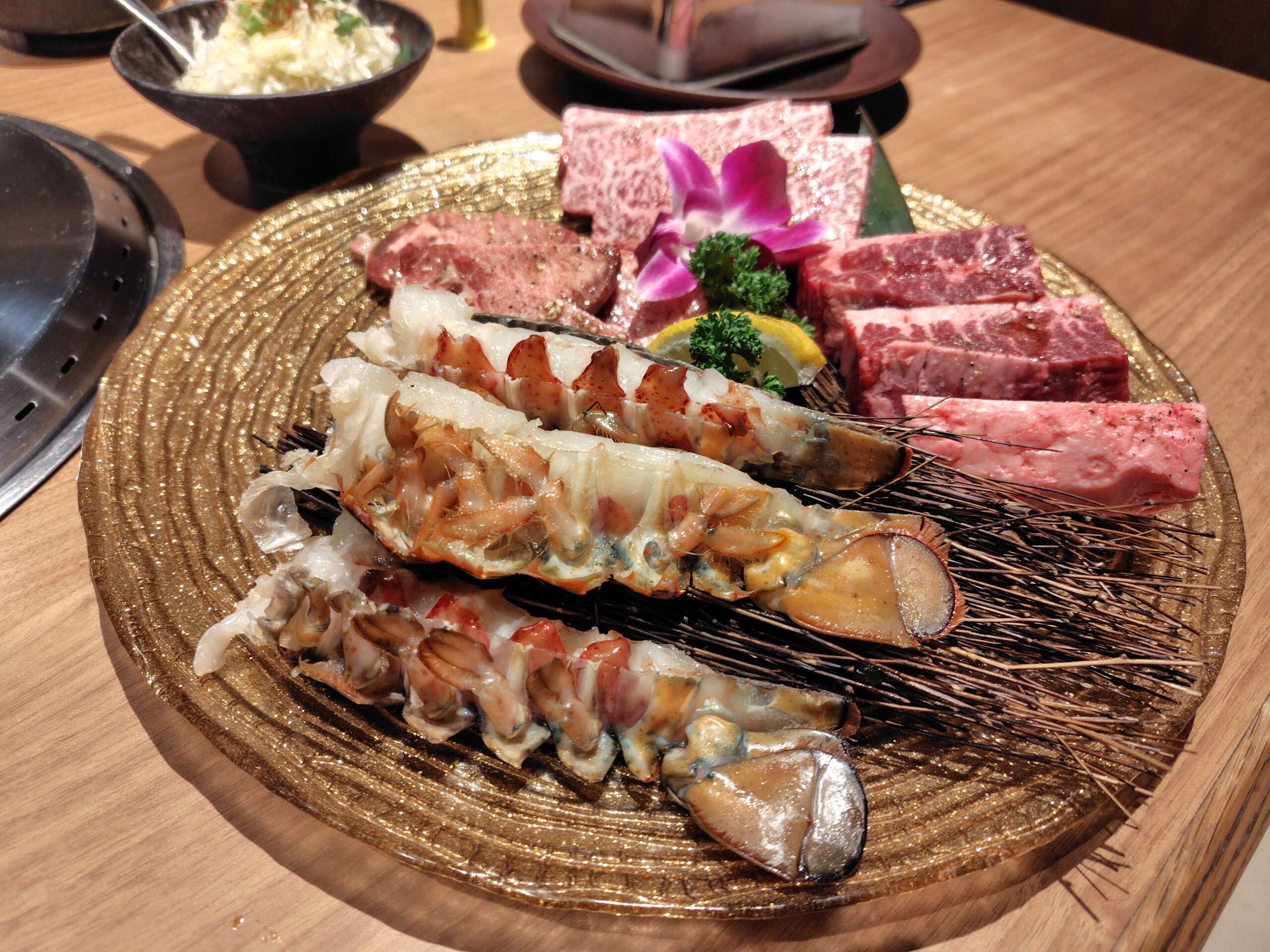
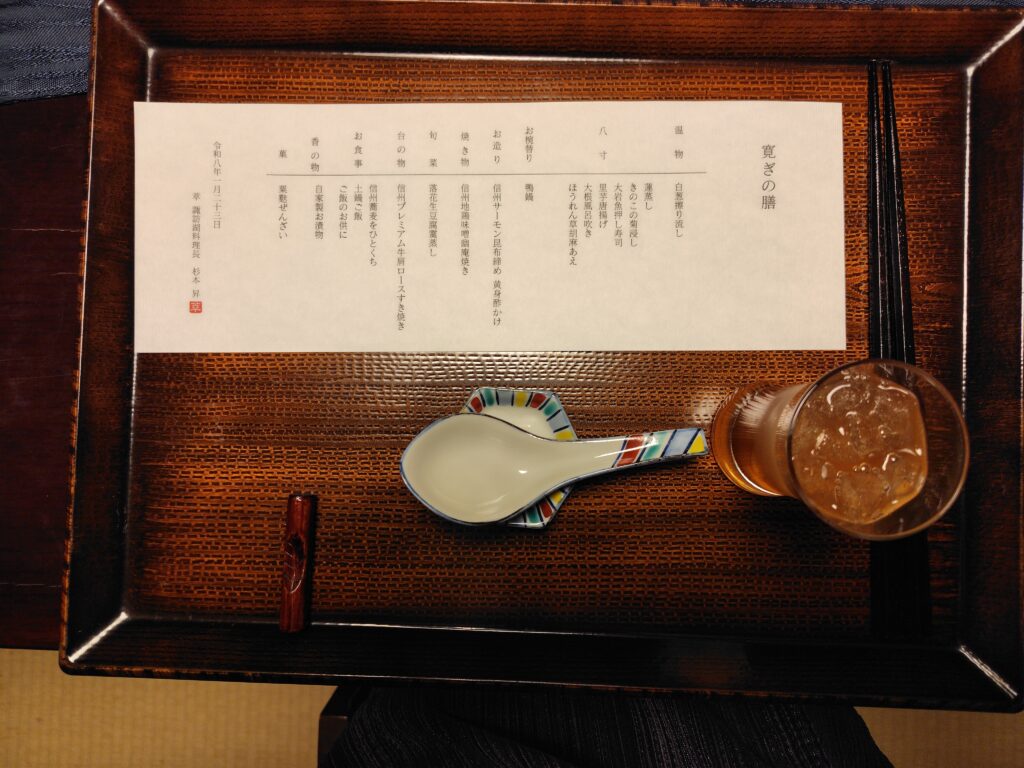
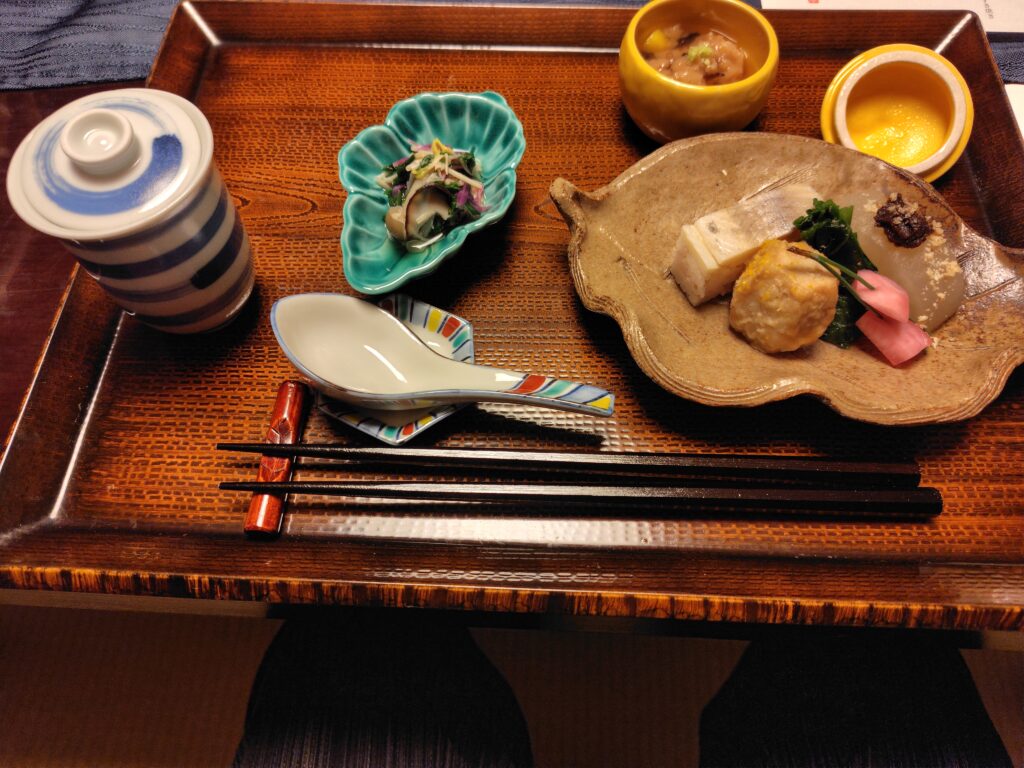
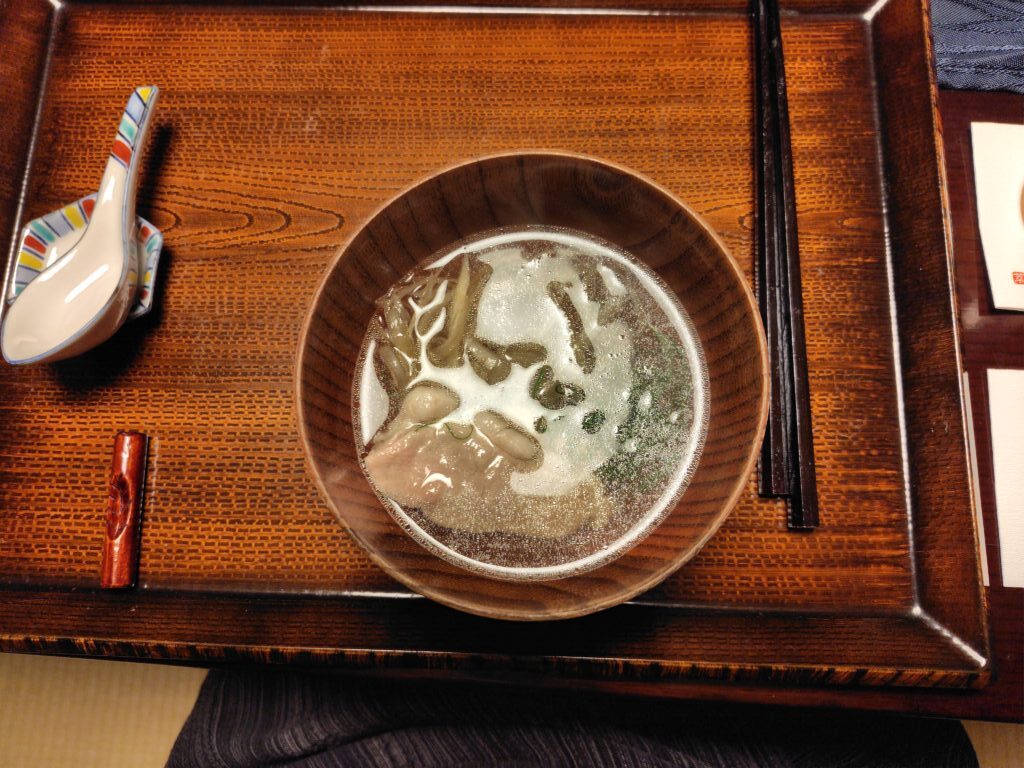
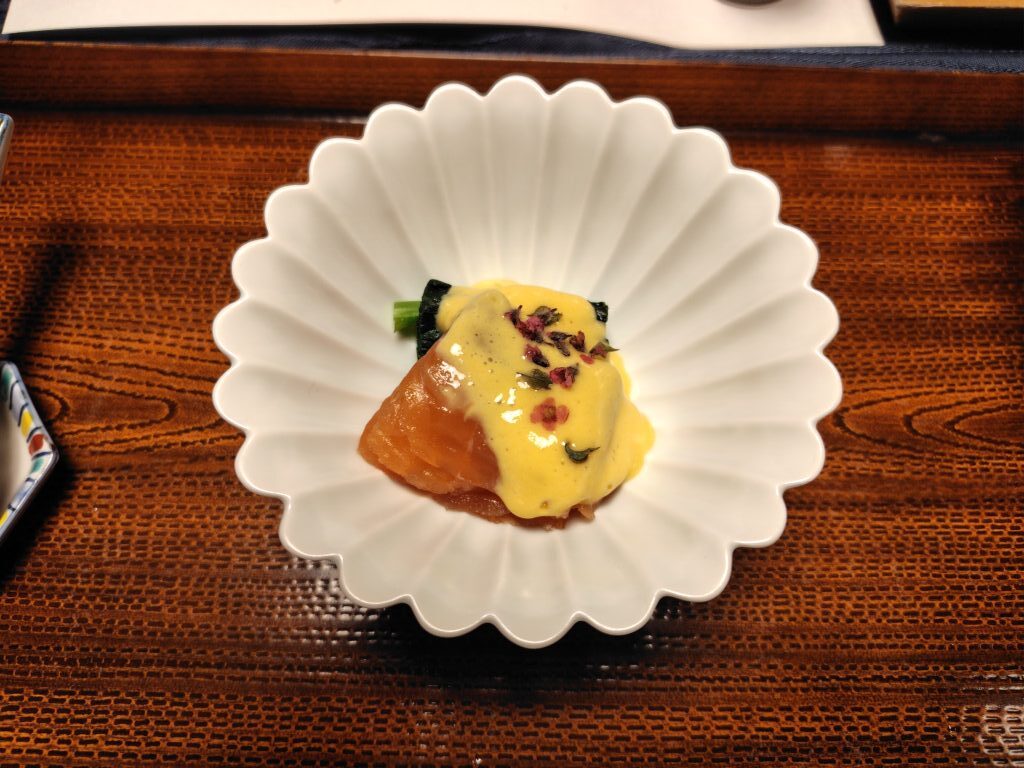
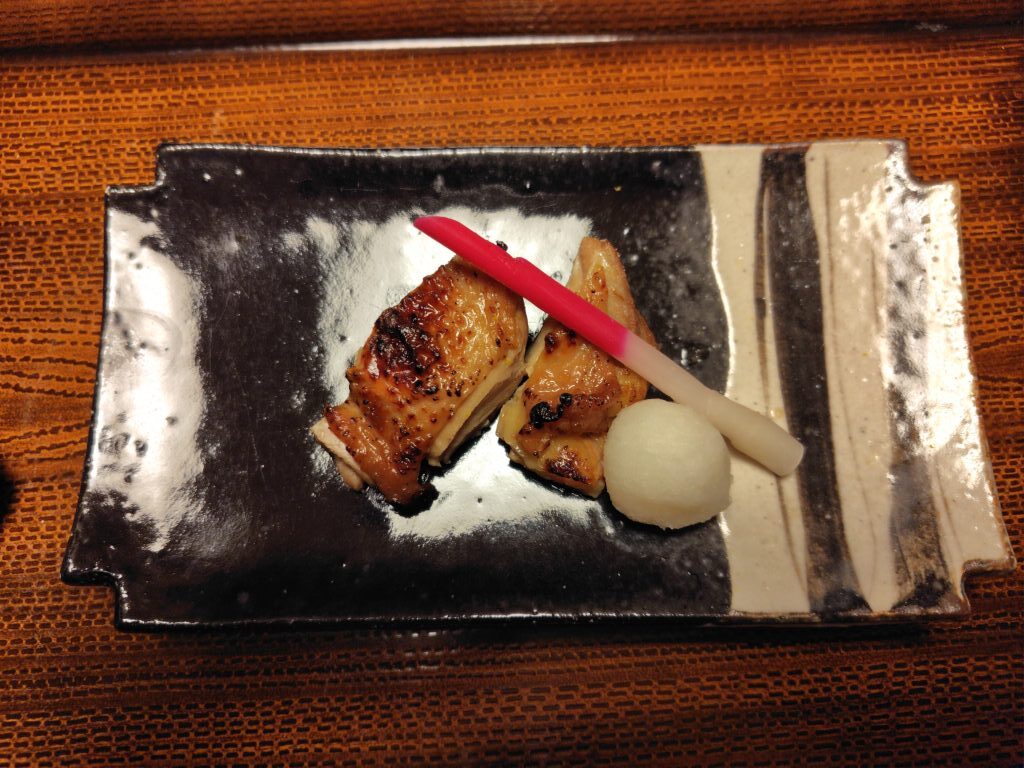
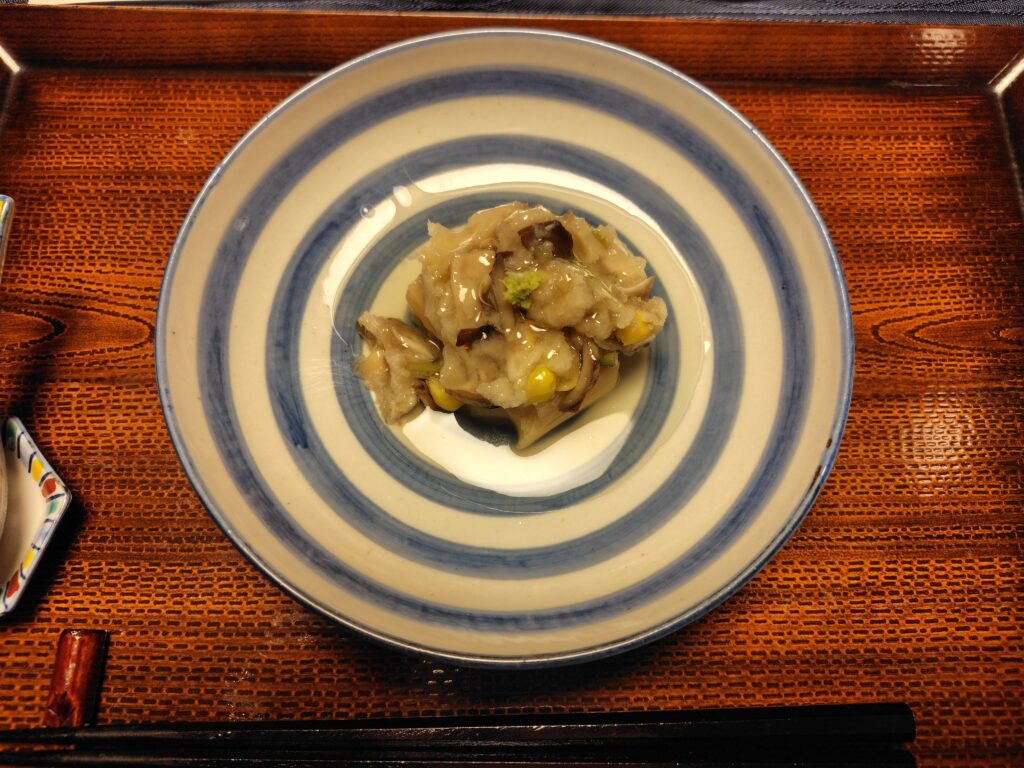
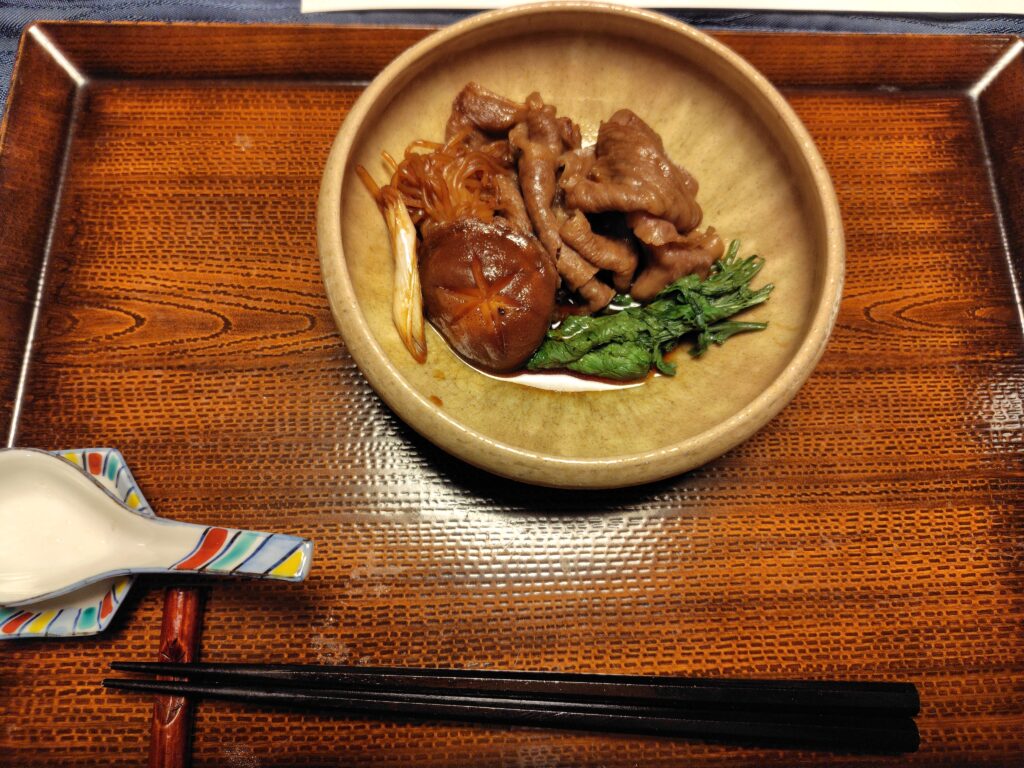
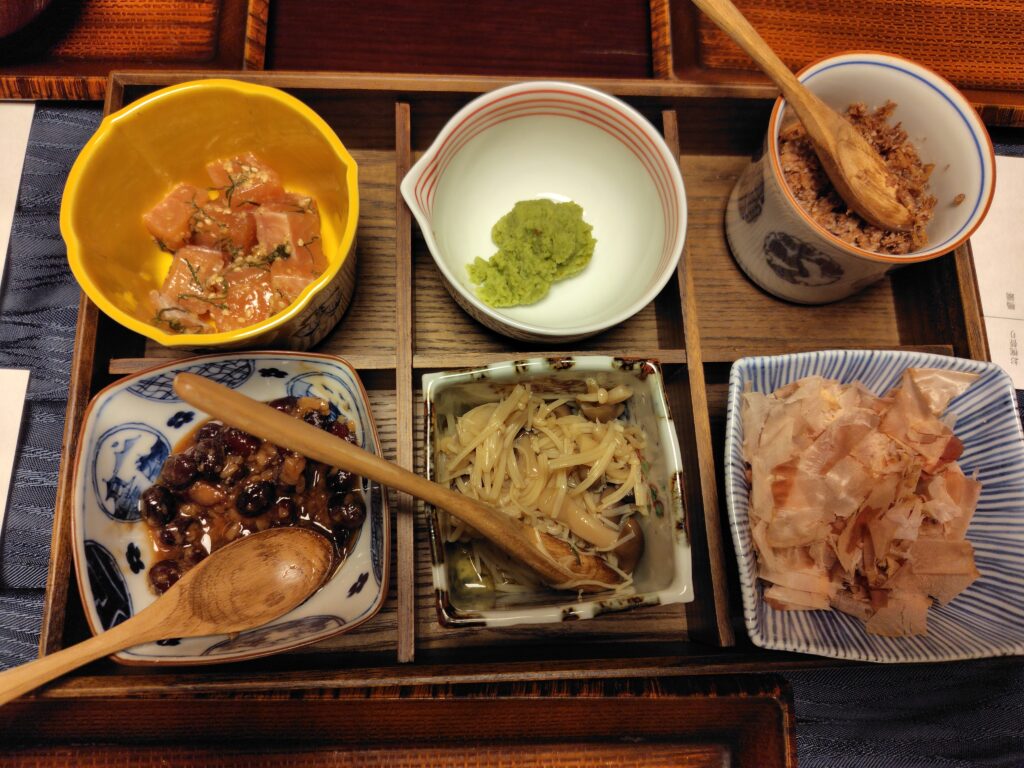
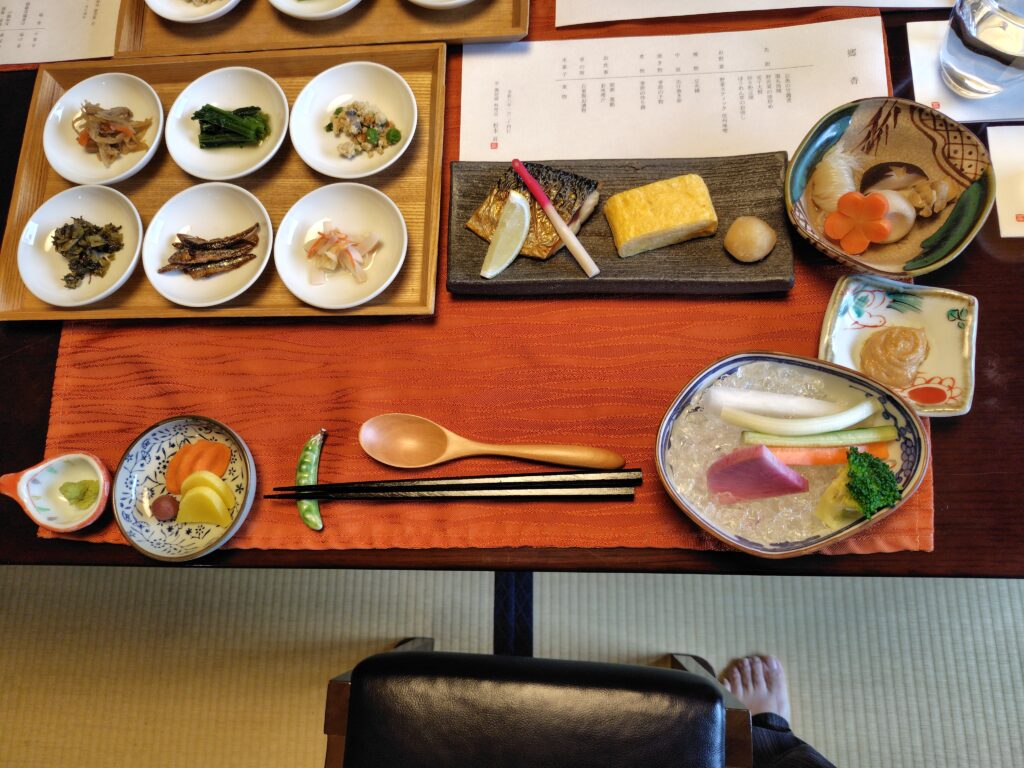
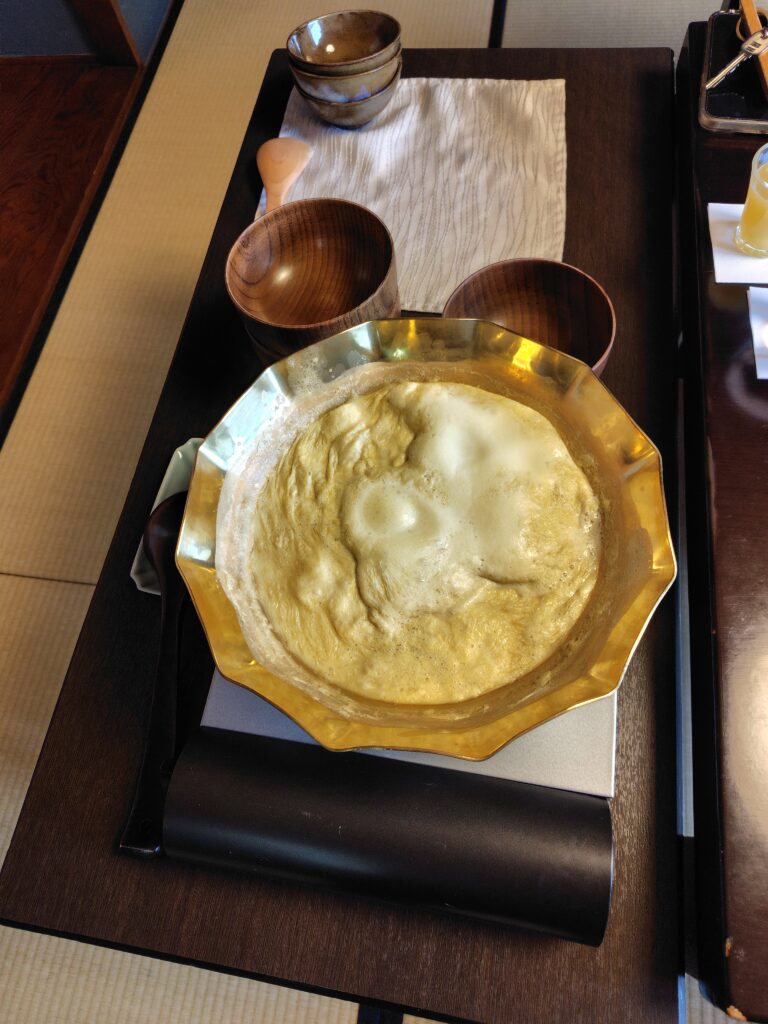
食事は朝夕とも個室で、夕食時には花梨酒の1ドリンクサービスがあり、一品ずつ丁寧な説明を受けながら味わいました。夕飯の余ったご飯をおにぎりにして部屋へ届けてくれる心遣いも嬉しいポイントです。朝食で提供された野菜はみずみずしく、「野菜ってこんなにおいしいものだったのか」と再認識できました。
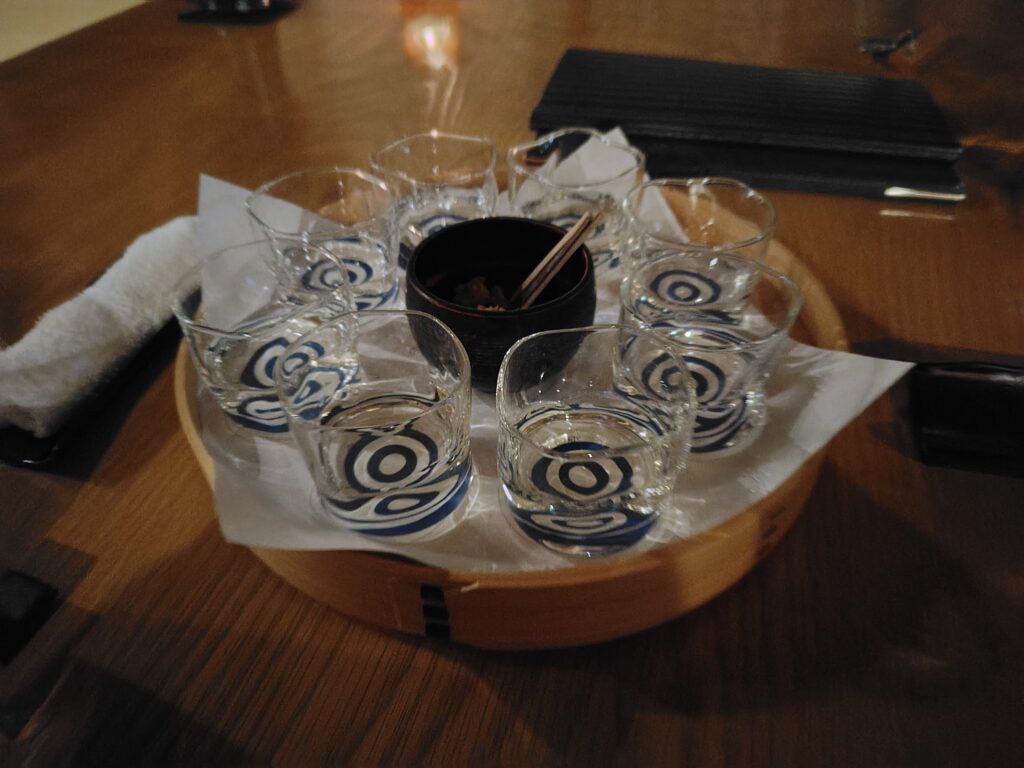
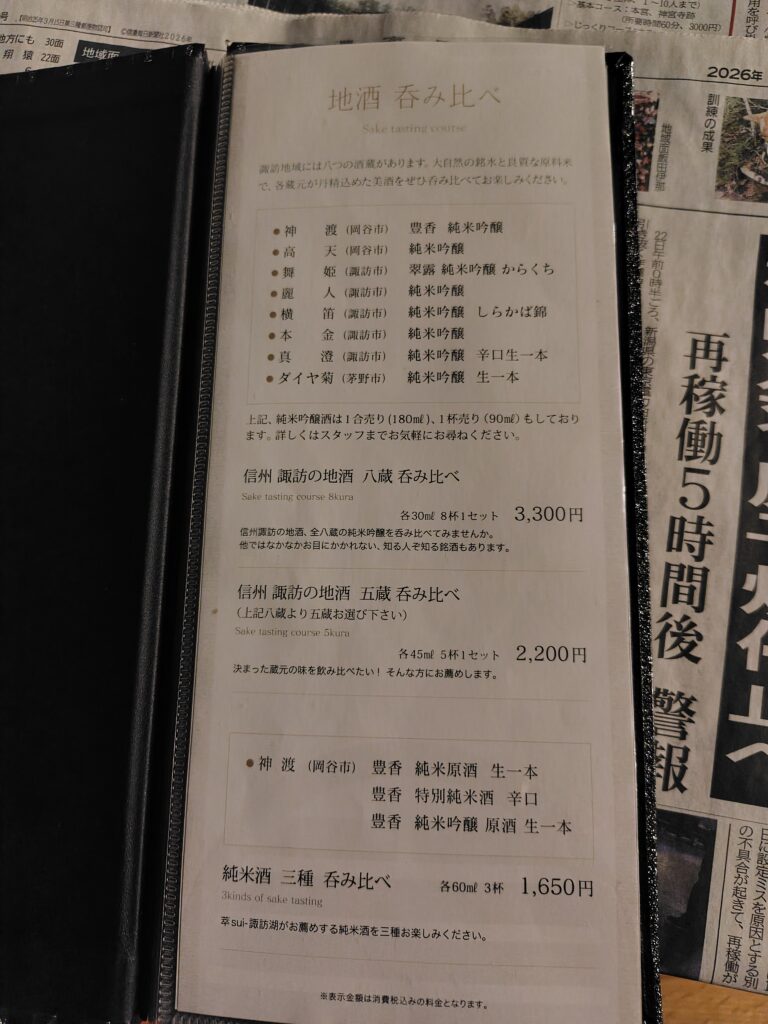
夜8時以降は囲炉裏茶の間が地酒Barとなり、諏訪エリアすべての酒蔵の地酒を楽しめます。吞み比べをして特に気に入った「豊香」と「真澄」は、翌日周辺の酒屋で購入しました。萃 sui-諏訪湖は小学生未満の子どもは宿泊不可のためか、館内はとても静かで落ち着いた雰囲気です。6階展望露天風呂と地酒Bar以外では他の宿泊客とほとんど会わず、ゆったりと過ごせました。朝は希望の新聞(長野日報、信濃毎日、日経、朝日、読売)の1つを部屋に届けてくれ、帰りには温められた靴を用意してくれていて、ふわっとした履き心地に驚きました。
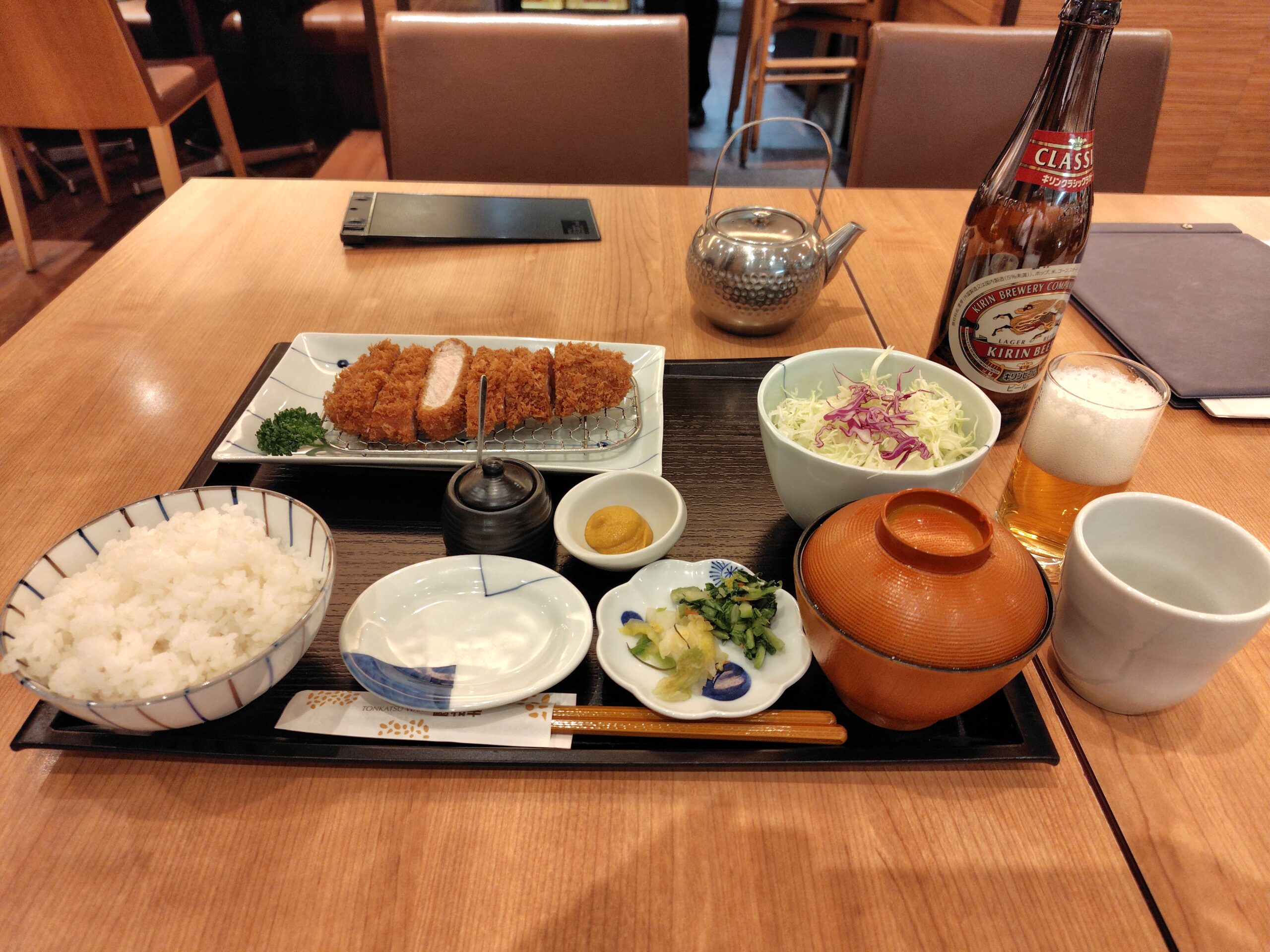
帰路では八ヶ岳PAに立ち寄り、カツ丼を食べて旅を締めくくりました。神社めぐりと温泉、そして丁寧なおもてなしに癒された、心に残る二日間となりました。
以上です。
A Journey to Sui–Suwako and the Four Suwa Taisha Shrines (Jan 23–24, 2026)
We drove to Nagano Prefecture and enjoyed visiting the four Suwa Taisha shrines as well as staying at Sui–Suwako. We visited the four shrines—Kamisha Maemiya, Kamisha Honmiya, Shimosha Harumiya, and Shimosha Akimiya—while reflecting on the contrast between the upper shrines, which enshrine a male deity, and the lower shrines, which enshrine a female deity. Suwa Taisha has long been known as a powerful spiritual site, and it is said that visiting all four shrines helps purify the mind and body and improve one’s fortune. Walking through each shrine, I could feel the subtle differences in atmosphere, and it naturally brought a sense of calm and clarity.
On the first day, we visited Kamisha Maemiya and Kamisha Honmiya. At Maemiya, part of the stream running beside the shrine was frozen, giving the place a serene winter atmosphere. On the second day, we visited Shimosha Harumiya and Shimosha Akimiya. At Harumiya, we followed the traditional ritual at the Manji Stone Buddha—bowing once in front, silently wishing “May all be well,” walking clockwise around the statue three times while repeating our wish, and finally bowing again while saying “All is settled.” At Akimiya, we received a commemorative sticker for completing the four-shrine pilgrimage, adding another memory to the trip.
We stayed at Sui–Suwako, in the open-air bath guest room “301 Iwaume.” The view of Lake Suwa from the room was uplifting. The private open-air bath uses free-flowing hot spring water at around 60°C, but adding cold water quickly brings it to a comfortable temperature, and the heating in the bath area made it pleasant even in winter. On the sixth floor, there is a mixed-gender panoramic open-air bath where guests wear bathing garments. Although we didn’t bathe there, the view was absolutely stunning.
Meals were served in a private dining room for both breakfast and dinner. During dinner, we enjoyed a complimentary quince liqueur, and each dish was explained with care. A thoughtful touch was having the leftover rice shaped into rice balls and delivered to our room. The vegetables served at breakfast were incredibly fresh, reminding me just how delicious vegetables can be.
After 8 p.m., the irori lounge transforms into a local sake bar, offering sake from all the breweries in the Suwa area. We enjoyed tasting different varieties, and our favorites—Toyoka and Masumi—were purchased at a nearby liquor shop the next day. Because Sui–Suwako does not accept guests with children under elementary school age, the atmosphere throughout the inn was quiet and relaxing. Aside from the sixth-floor bath and the sake bar, we hardly encountered other guests and were able to spend our time peacefully. In the morning, the staff delivered our choice of newspaper (Nagano Nippo, Shinano Mainichi, Nikkei, Asahi, or Yomiuri) to our room, and when we checked out, they had warmed our shoes for us—the soft, warm feel was a delightful surprise.
On the way home, we stopped at the Yatsugatake PA and enjoyed a katsudon to conclude the trip. The shrine visits, the hot springs, and the attentive hospitality made it a truly memorable two-day journey.
That’s all.