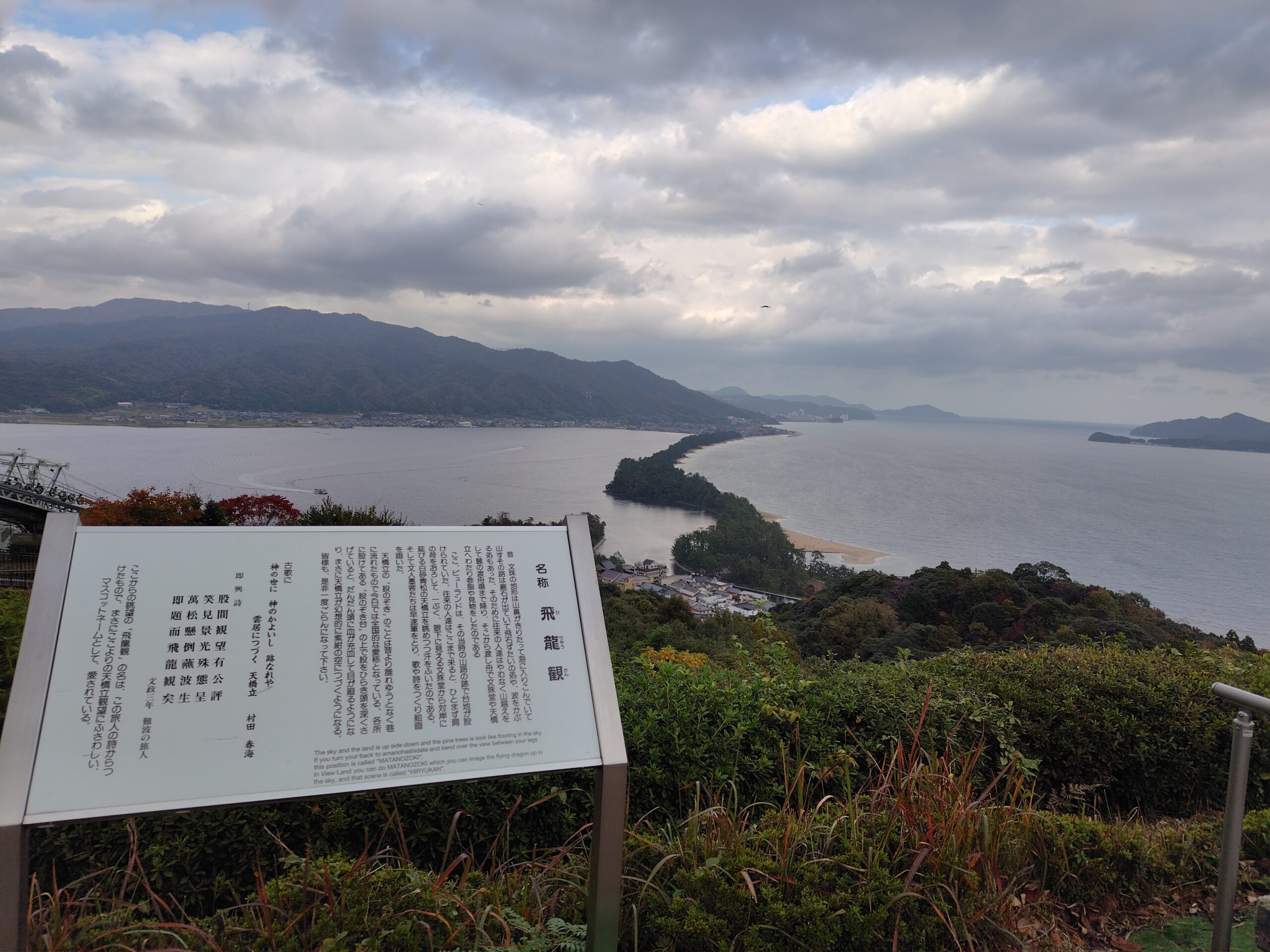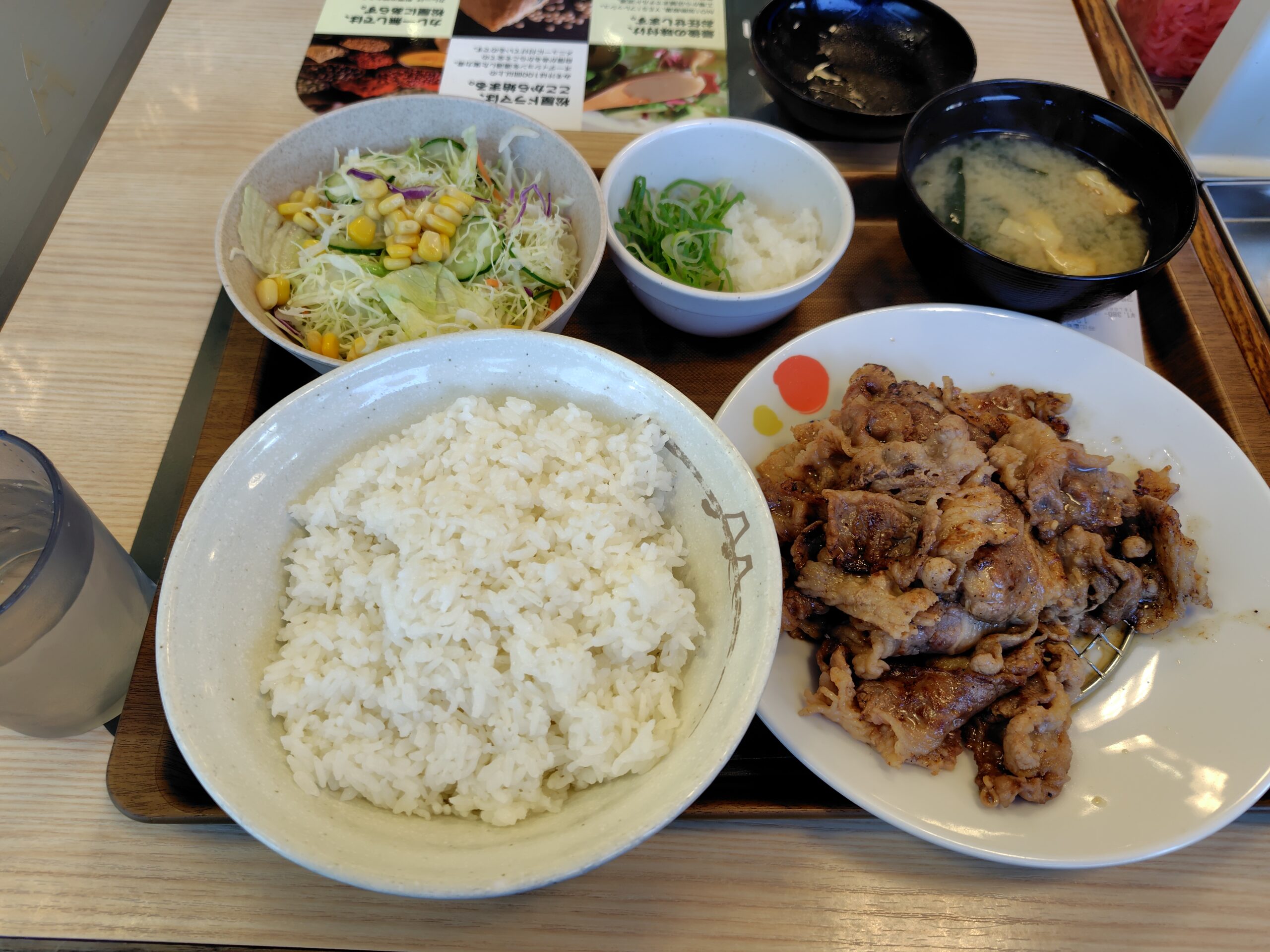
今回の旅は、東京から広島経由で下関へ向かいました。
8:12 東京発のぞみ15号で広島へ向かい、12:08 広島発こだま845号に乗り換えて新下関に到着。そこからタイムズカーを借りて観光を始めました。
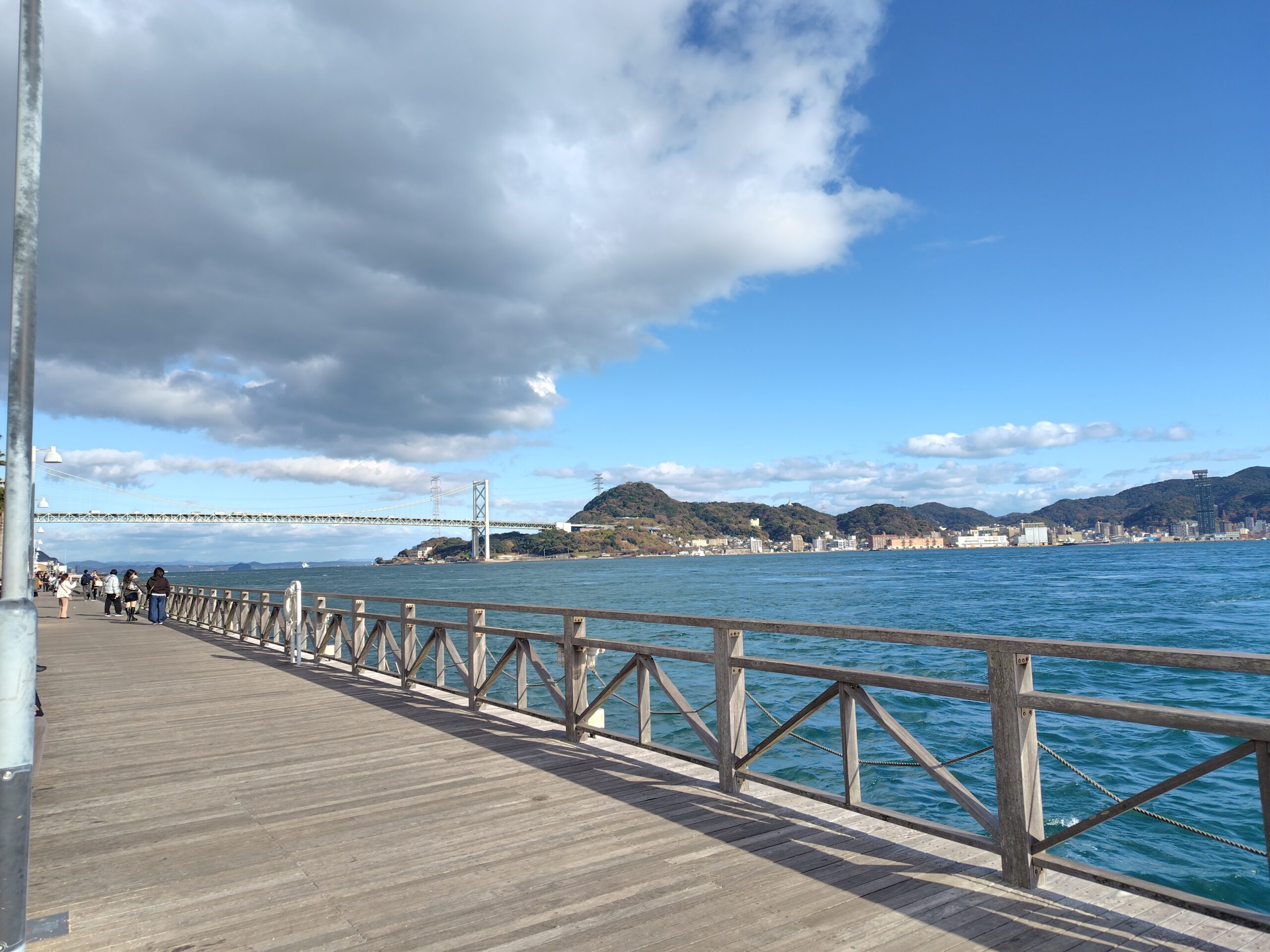
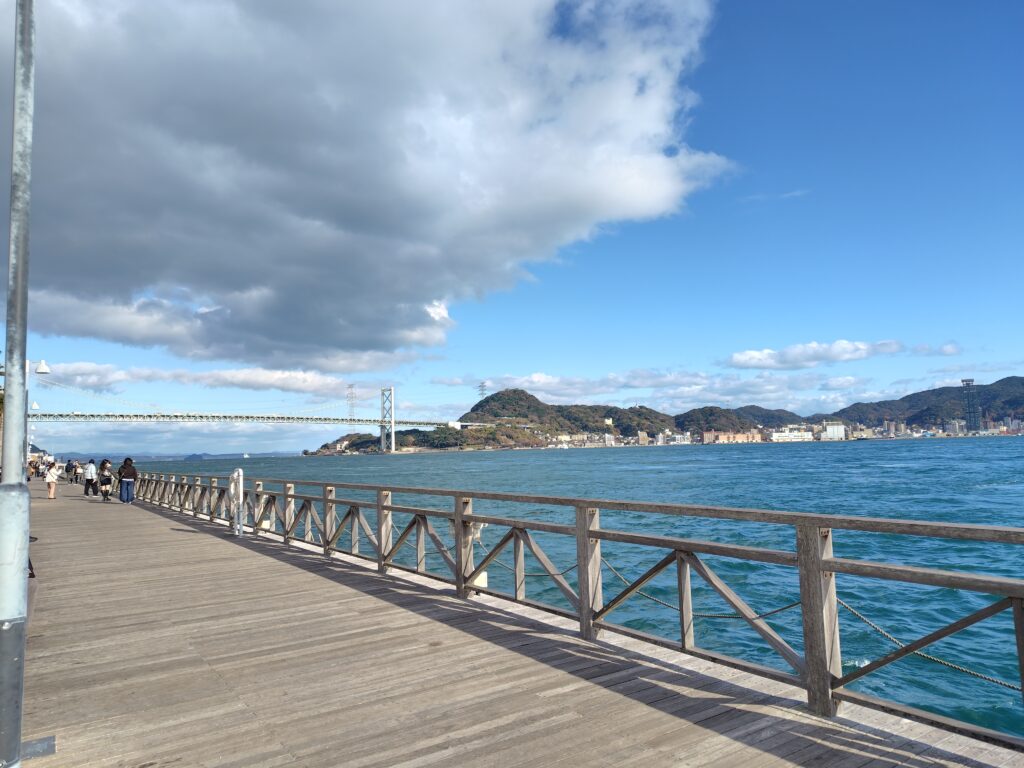
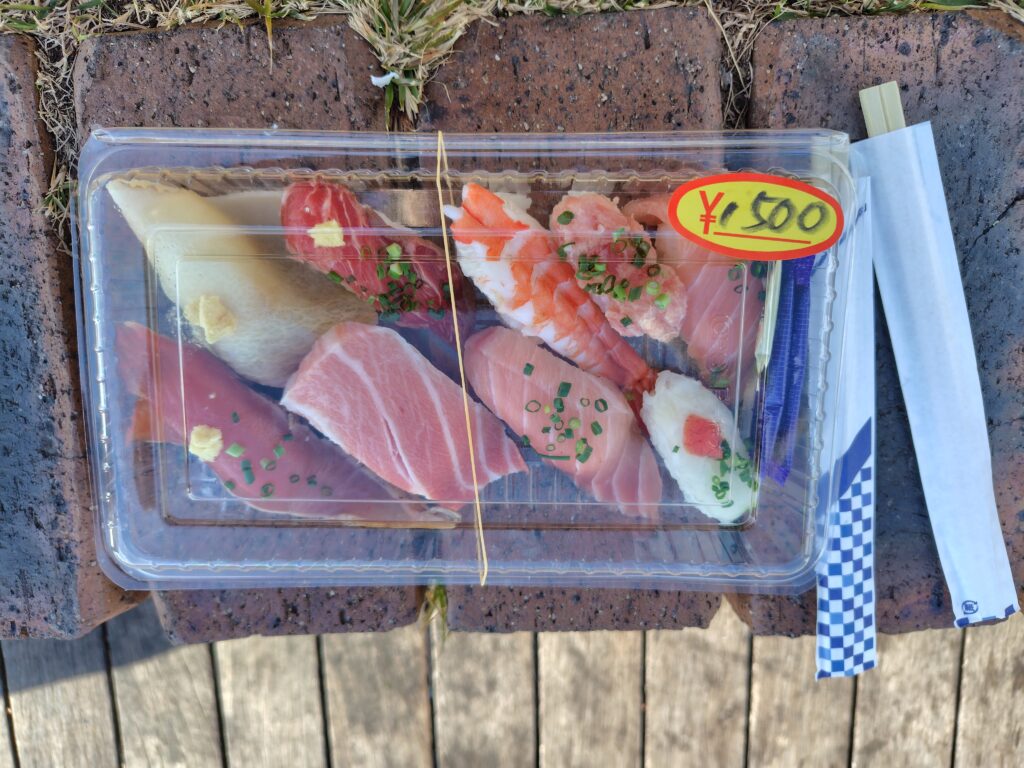
最初の目的地は唐戸市場。車を降りると、関門海峡の向こう岸に九州の景色が広がり、テンションが上がりました。対岸に見える九州を眺めながら、強風の中で食べる寿司(1500円)は格別でした。
次に訪れたのは赤間神宮。壇ノ浦の合戦で命を落とした安徳天皇を祀る場所であり、耳なし芳一の伝説も残る神社です。源平の歴史を感じ、「平家や源氏のおかげで今の日本がある」と思わず感慨深くなりました。
宿泊は「川棚グランドホテルお多福」。プラン名は「とらふく極みフルコース クラブエリア温泉付離れ臥龍梅213」でした。
宿に到着してまず大浴場へ。6:00〜24:00まで利用可能で、泉質はナトリウム・カルシウム塩化物温泉、pH8.2の弱アルカリ性。肩や首が軽くなったのを実感しました。
夕飯前にはラウンジへ立ち寄りました。今回のプランではコインを1人3枚もらえたのですが、コインを投入すると獺祭などの地酒を楽しむことができ、旅気分をさらに盛り上げてくれました。
夕食は「とらふく極みフルコース」でしたが、とらふく刺しは歯ごたえ抜群で、ここでしか味わえない貴重な食事だったと感じました。瓶ビールはアサヒとキリンがあり、その中からキリンを選び、大満足の夕食となりました。
夕食後は部屋の温泉を満喫。内湯と露天風呂があり、どちらも温泉で時間制限なく入浴できました。露天風呂から見上げた夜空には、最近見たことがないほどの星が広がり、数え切れないほどの輝きに圧倒されました。北斗七星もはっきりと確認でき、星の多さと美しさに心から感動しました。
さらに部屋には床暖房があり、冬でも快適に過ごせました。ホテルの細やかな心配りが感じられ、滞在の満足度を一層高めてくれました。
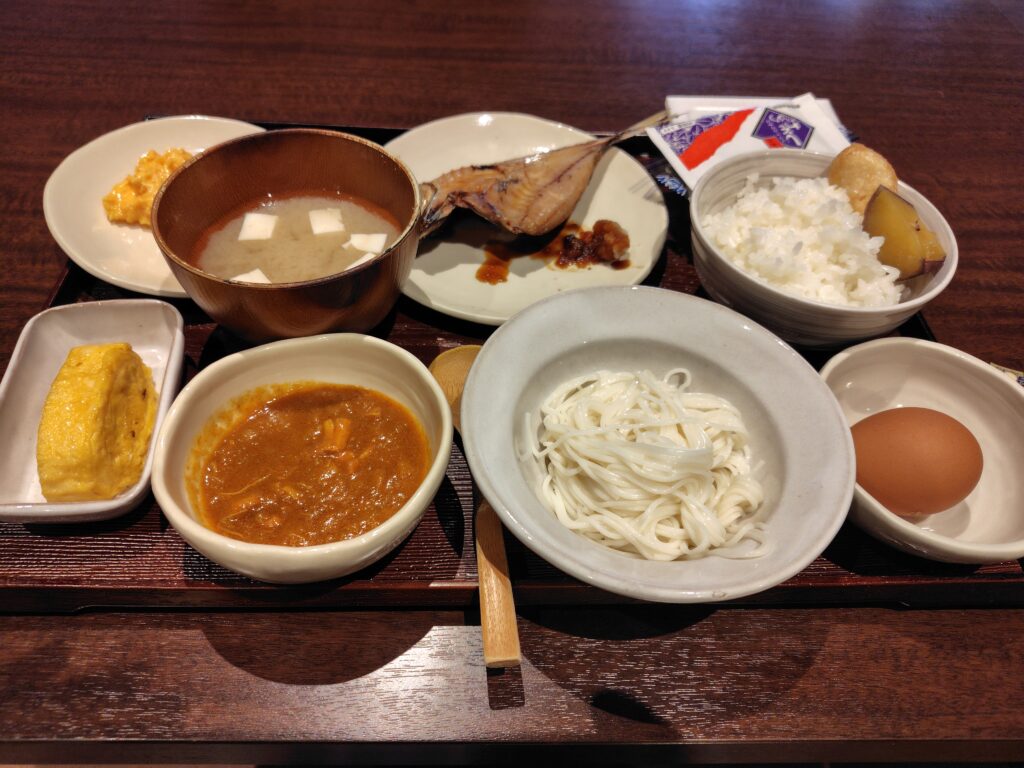
翌朝はビュッフェ形式の朝食を楽しみました。
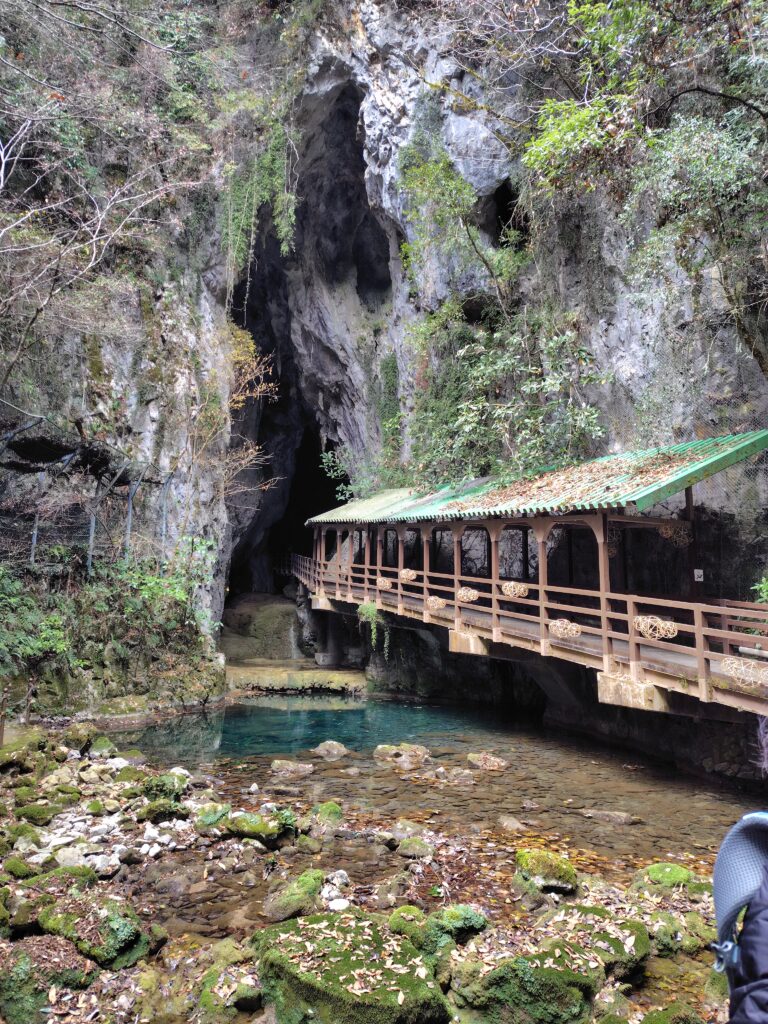
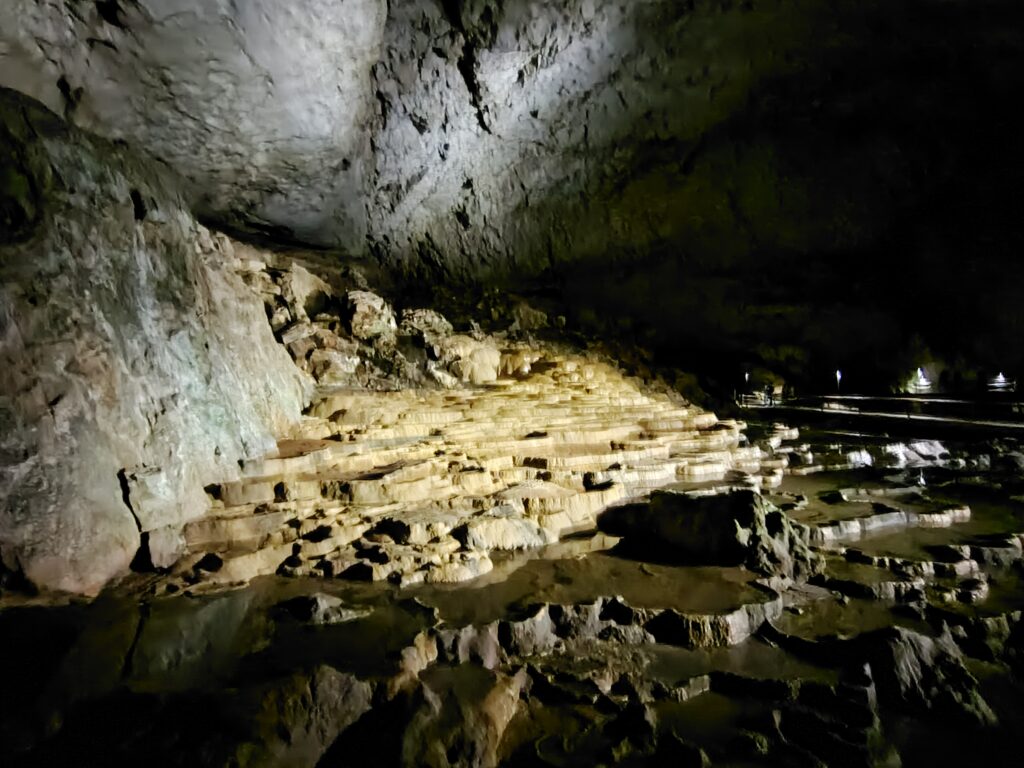
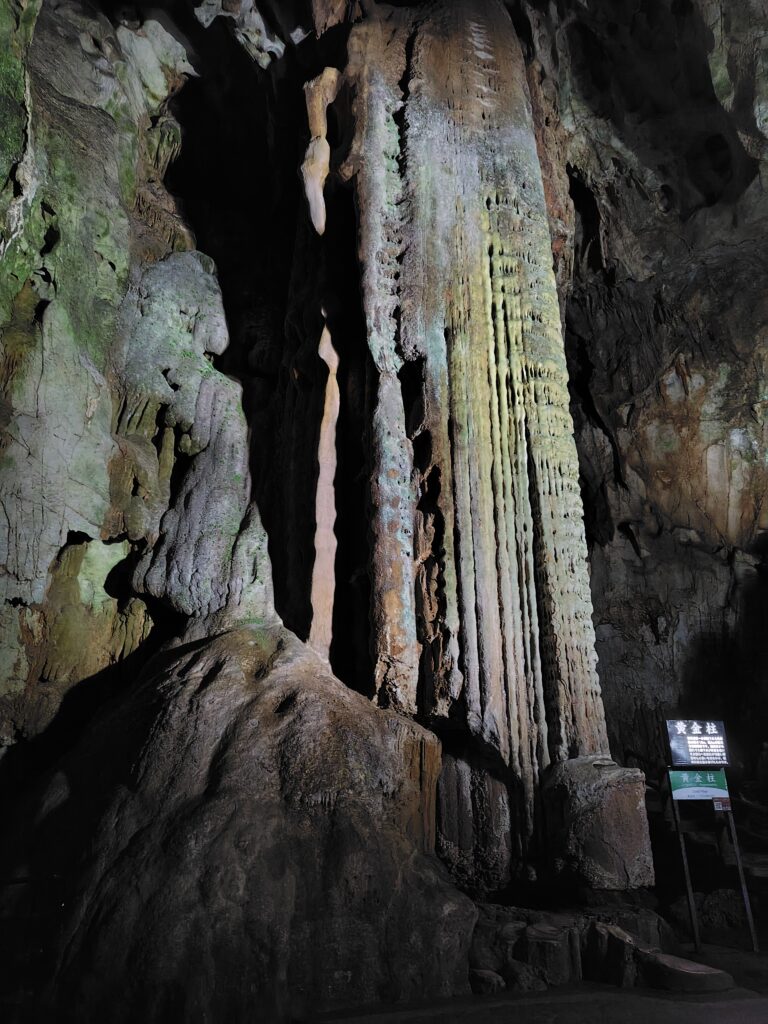
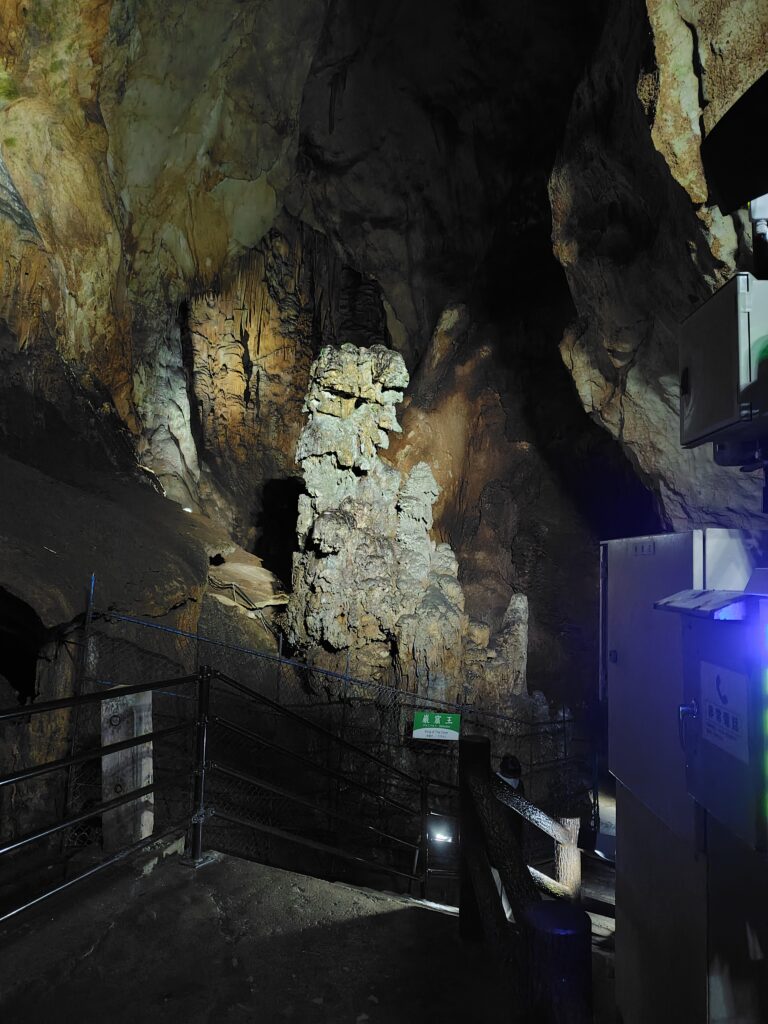
心地よい滞在を終えて、宿を出て秋芳洞へ。入場料1600円で訪れた鍾乳洞は、私の予想をはるかに超える大規模さで、圧倒的なスケールに驚かされました。約1時間かけて巡る中で、自然が生み出した造形美に感動し続けました。途中、エレベーターで地上に出て秋吉台へ向かい、雄大なカルスト台地を眺めることができました。
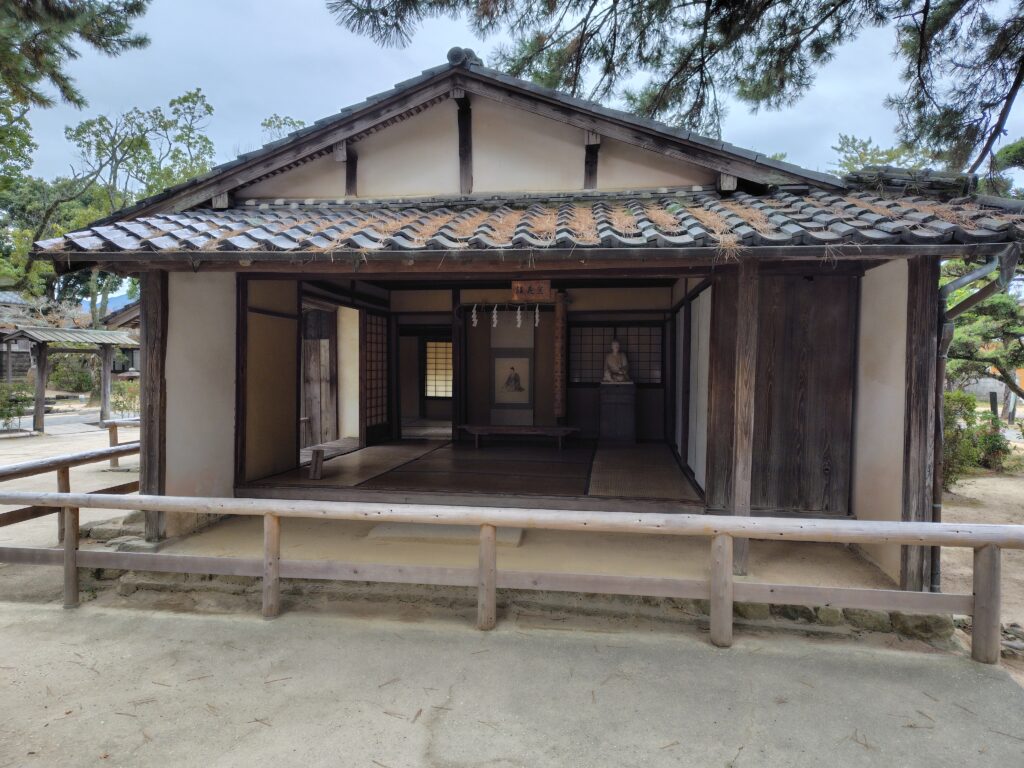
続いて訪れたのは世界遺産登録10周年を迎えた松下村塾。学びの道を進むと講義室や松蔭神社があり、幕末の志士たちの息吹を感じます。帰りに吉田松陰歴史館(入館料500円)へ立ち寄り、松陰の人生ダイジェストや山口県出身の偉人たちについて学びました。歴史館を見学した後、敷地内の一角で「松蔭うどん」をいただきました。
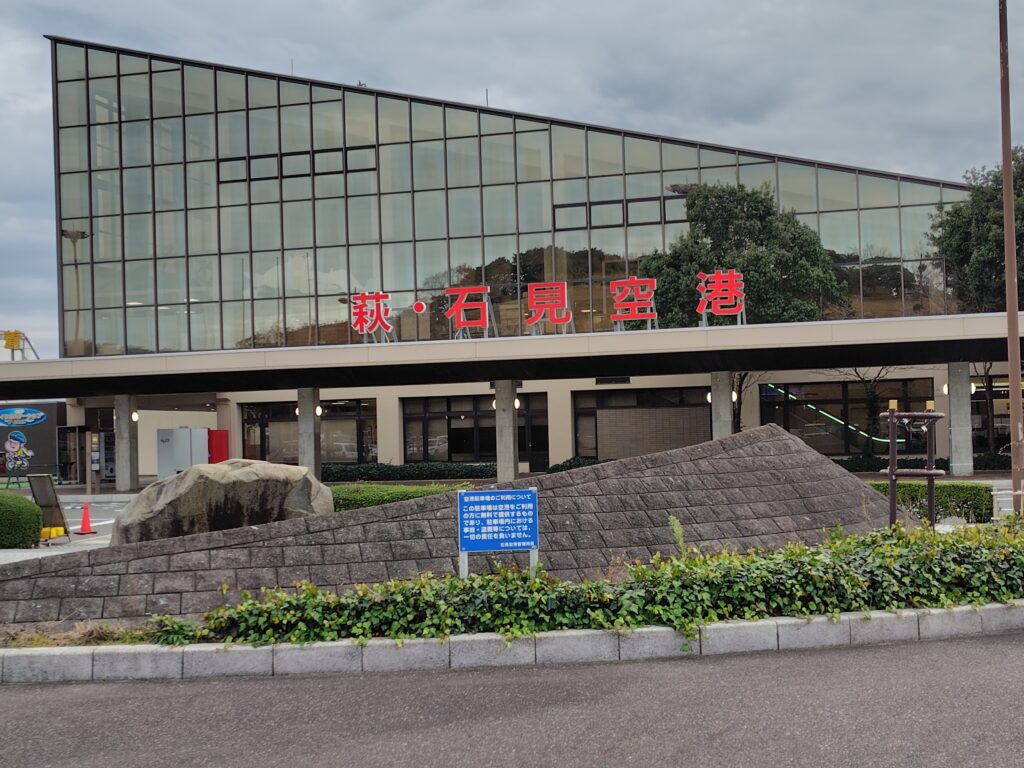
帰路は萩・石見空港から。18:15発 ANA828便で羽田へ戻り、充実した二日間の旅を終えました。
歴史と自然、美食を満喫した山口の旅。唐戸市場の寿司、赤間神宮の歴史、川棚温泉の癒し、秋芳洞のスケール、松下村塾の学び…。どれも心に残る体験となりました。
以上です。
Two-Day Journey Through Yamaguchi: Shimonoseki and Hagi (December 12–13, 2025)
This trip began with a journey from Tokyo to Shimonoseki via Hiroshima.
At 8:12 we boarded the Nozomi 15 bound for Hiroshima, then transferred to the Kodama 845 at 12:08 to reach Shin-Shimonoseki. From there, we rented a car from Times Car to start sightseeing.
The first destination was Karato Market. As I stepped out of the car, the view of Kyushu across the Kanmon Strait spread out before me, instantly lifting my spirits. Watching the strait and the Kanmon Bridge while eating sushi in the strong wind (1,500 yen) was truly special.
Next, we visited Akama Shrine, dedicated to Emperor Antoku who perished in the Battle of Dan-no-ura. It is also famous for the legend of “Earless Hōichi.” Standing there, I felt the weight of history and thought, “Thanks to the Heike and Genji clans, Japan exists as it does today.”
We stayed at Kawatana Grand Hotel Otafuku, with the plan “Torafugu Supreme Full Course, Club Area Hot Spring Detached Room Garyūbai 213.”
Upon arrival, I first enjoyed the large public bath, open from 6:00 to 24:00. The spring water, a sodium-calcium chloride hot spring with a pH of 8.2, eased the tension in my shoulders and neck.
Before dinner, we stopped by the lounge. With the plan, each guest received three coins, which could be used to enjoy local sake such as Dassai. It added a festive touch to the trip.
Dinner was the “Torafugu Supreme Full Course.” The fugu sashimi had an incredible texture, a delicacy only available here. I chose Kirin beer from the options of Asahi and Kirin, and the meal was thoroughly satisfying.
After dinner, I relaxed in the private hot spring of our room. Both indoor and outdoor baths were available, with no time restrictions. Looking up from the outdoor bath, I saw a night sky filled with more stars than I had seen in years. The countless sparkling lights, with the Big Dipper clearly visible, left me deeply moved.
The room also had floor heating, keeping it warm and comfortable even in winter. This thoughtful detail enhanced the overall satisfaction of our stay.
The next morning, we enjoyed a buffet-style breakfast.
After such a pleasant stay, we left the hotel and headed to Akiyoshidō Cave. The entrance fee was 1,600 yen, and the cave turned out to be far larger than I had ever imagined—its overwhelming scale exceeded all my expectations. Spending about an hour exploring, I was continually impressed by the natural formations. Partway through, we took the elevator up to the surface to visit Akiyoshidai and admired the vast karst plateau.
Next, we visited Shōka Sonjuku, celebrating the 10th anniversary of its World Heritage registration. Walking along the path of learning, we saw the lecture hall and Shōin Shrine, feeling the spirit of the patriots of the late Edo period. On the way back, we stopped at the Yoshida Shōin History Museum (admission 500 yen), where we learned about Shōin’s life in digest form and about other notable figures from Yamaguchi Prefecture. After the museum visit, I enjoyed “Shōin Udon” at a shop located within the grounds.
The return journey began from Hagi-Iwami Airport. At 18:15, we boarded ANA Flight 828 back to Haneda, bringing this fulfilling two-day trip to an end.
History, nature, and fine cuisine were all part of this Yamaguchi journey. Sushi at Karato Market, the history of Akama Shrine, the healing waters of Kawatana Onsen, the immense scale of Akiyoshidō, and the lessons of Shōka Sonjuku—all became unforgettable experiences.
That’s all.